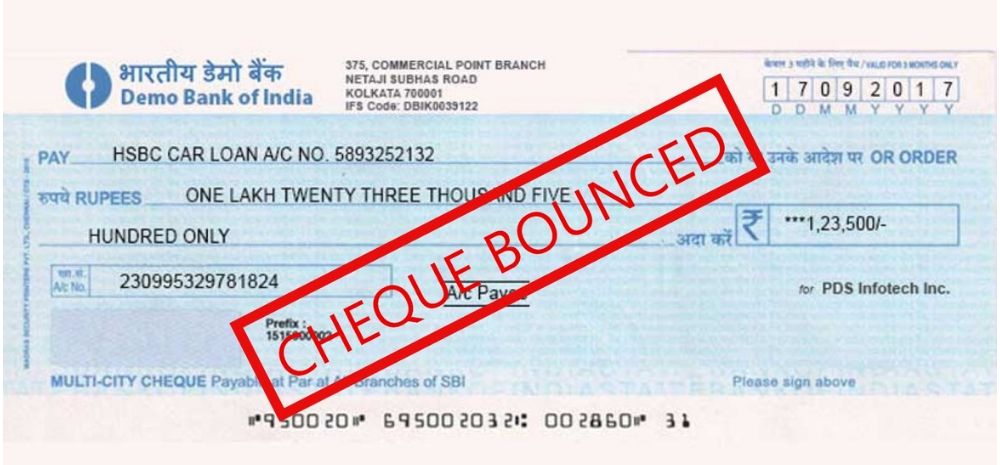
A cheque bounce occurs when a bank refuses to honor a cheque due to reasons like insufficient funds, mismatched signatures, or technical errors. Though it may appear to be a simple banking issue, a cheque bounce carries serious legal consequences under Section 138 of the Negotiable Instruments Act, 1881. This law ensures that individuals and businesses maintain financial discipline and accountability in monetary transactions.
When a cheque is dishonoured, the payee has the right to issue a legal notice to the drawer within 30 days of receiving the return memo from the bank. The drawer must make the payment within 15 days of receiving the notice. Failure to do so can lead to criminal proceedings, where the offender may face imprisonment of up to two years, a fine up to twice the cheque amount, or both.
Cheque bounce cases not only affect financial trust but can also damage business relationships and reputation. Therefore, maintaining sufficient funds, verifying details before issuing cheques, and keeping transparent records are essential preventive measures.
Understanding your legal rights and timely action can help you recover dues efficiently while preserving trust in financial dealings.